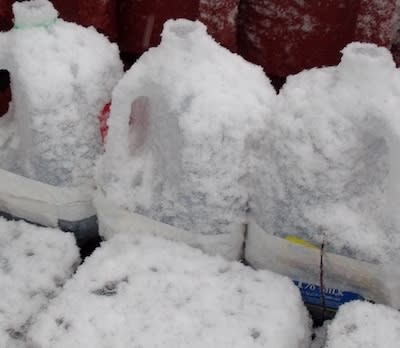
Are you itching to get a little something green started outdoors right now?
Well, winter sowing might just be the cure for your winter blues!
Gardener Trudi Davidoff pioneered the concept in the early 2000s, and a few years later the USDA recognized it as a legitimate technique by adding it to the National Agricultural Library Thesaurus. While Trudi’s website, wintersown.org, is not currently active, a public Facebook group she helps administer is dedicated to teaching her techniques.
Trudi has said, “If it’s not easy, you’re doing it wrong.”
What Are the Benefits of Winter Sowing?
You don’t need a lot of fancy stuff, no lights, no heat mats – just some seeds, soil, clear or translucent containers such as milk jugs, and a spot outdoors where they will get sun and exposure to snow or rain. There are just a few ground rules, and trust and patience are essential; your seeds will sprout in their own time, using their own internal wisdom. We’ll get a bit more into the nitty gritty later.
Winter sowing is an excellent option for perennials, cold-hardy annuals, native plants, and seeds that require a period of cold stratification to germinate.
As a bonus, your winter-sown plants don’t require a ‘hardening off’ period; since they’ll already be acclimated to outdoor conditions, they’ll be tough and ready to rock the spring garden.
5 Flower Varieties to Winter Sow
Perennials:
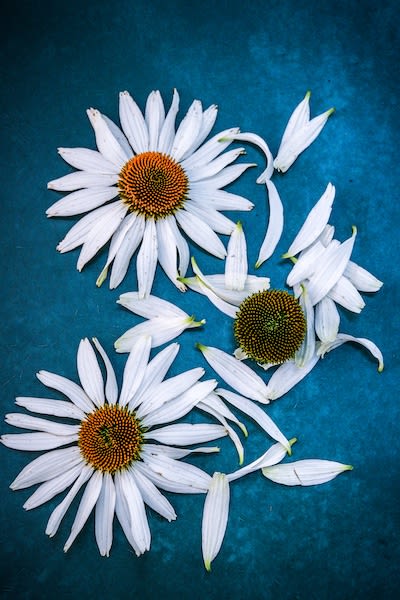
White Swan echinacea is a showy, elegant bloom on tall, strong stems, unique among its coneflower family for its bright white petals and bold, golden-green center. White Swan adds sophistication to the pollinator patch and the cut flower display. Perennial in zones 2-9
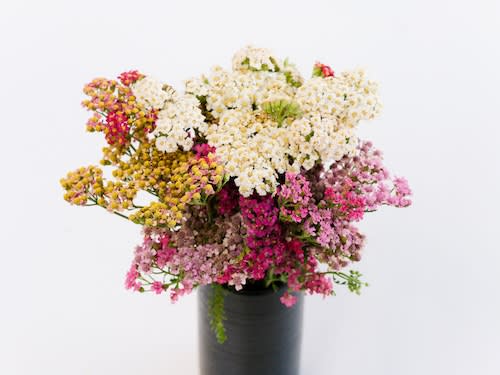
Flowerburst Fruitbowl yarrow is an eye-catching riot of color, with 2- to 4-inch flower umbels ranging from cream and lemon to cherry and salmon hues. Pollinators love this one, and so will you. Summery tones on sturdy stems? What’s not to love? Perennial in zones 2-9.
Hardy annuals:
We love Apricotta cosmos for its large, pink lemonade hue and cheerful demeanor. The flowers grow on 3.5-foot stems and hang the welcome sign for a range of pollinators. It is a rightful winner of the esteemed Fleuroselect Novelty Award, specifically praised for its unusual color and sturdy stems for cutting.
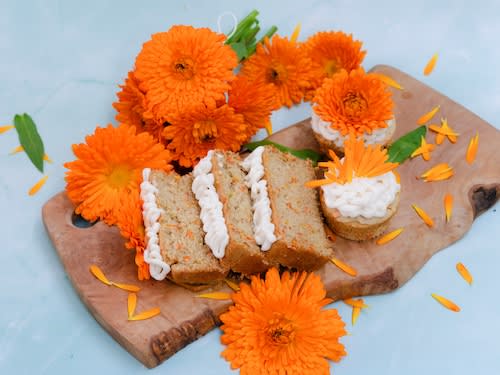
Orange King calendula is the royal monarch of the calendulas, with its massive double orange blooms! Calendulas are colorful, aromatic, and easy to grow. They also have a myriad of uses in the kitchen and apothecary.
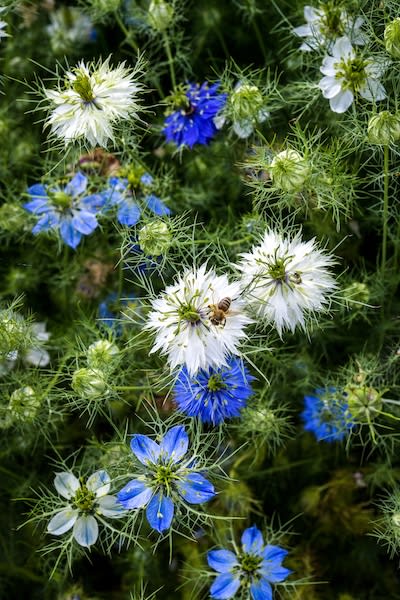
Miss Jekyll Mix love-in-a-mist is an intricate and dazzling Nigella variety bred by Gertrude Jekyll. Her legendary garden designs often overshadow her accomplishments as a flower breeder, but this exceptional flower mix, with its filigree foliage and starry blooms in rose, blue, and alabaster stand to remind us of Jekyll’s many gifts.
When Should I Winter Sow My Seeds?
Winter sowing isn’t beholden to USDA growing zones, and according to Trudi, there is no winter sowing schedule, except to begin by sowing perennial and biennial seeds that need stratification on or after the winter solstice (in 2025, the solstice occurs on Saturday, Dec. 21, at 10:03 a.m.). If your nighttime temperatures are above 50 F, wait to winter sow until the overnight temperatures drop below 50 F.
Move on to hardy annuals and vegetable seeds as you have time, Trudi says.
Seedlings are ready to transplant when the outside temperature is sufficiently warm and the seedlings have at least two sets of real leaves and are at least two to three inches tall.
The Basics of Winter Sowing
Equipment:
Clear or translucent containers that will hold three to four inches of soil, with enough headroom for the plant to grow (at least two inches tall).
High-quality seed starting mix (we use Royal Gold)
A drill or some other tool for poking holes in the bottom of the container for drainage
Labels and preferably a waterproof marker
Planting:
Depending the containers you use, you may need to cut them in half horizontally to open, then tape them closed.
Fill the clean, prepared container with soil mix, then water until it is soaked but not sopping.
Surface sow small seeds and lightly cover larger seeds.
The containers will need ventilation for air and water. If you’re using a milk jug, just leave off the cap.
Place the containers where they will get sun, rain and/or snow. Check the soil moisture periodically; you don’t want them to dry out.
Transplant the seedlings out into the garden when the weather has warmed sufficiently.
Key Takeaways
- Winter sowing is meant to be low-cost and low stress!
- Use clean, translucent or clear containers for winter sowing.
- Use clean, high-quality seed starting mix.
- Make sure to have drainage holes in the containers.
- Keep an eye on the moisture in the containers.