


Spring in the Missouri Ozarks is always kind of a wild ride, but this year has brought waves of above-average temperatures punctuated by cold snaps and frost. But the average last frost date (April 15 here in Zone 7a) is in view, and we’re dreaming about spending more time in the outdoor gardens! We know you understand.
It’s time to get those quick-growing, spring crops going.
Here are a few of our picks for planting an (almost) instant gratification spring garden.
Radishes
Radishes are famously quick to harvest, and some mature in under three weeks, including Saxa 2, a terrific little radish that beats every other to the spring table. We love the mild flavored, crisp round roots of this popular European variety.
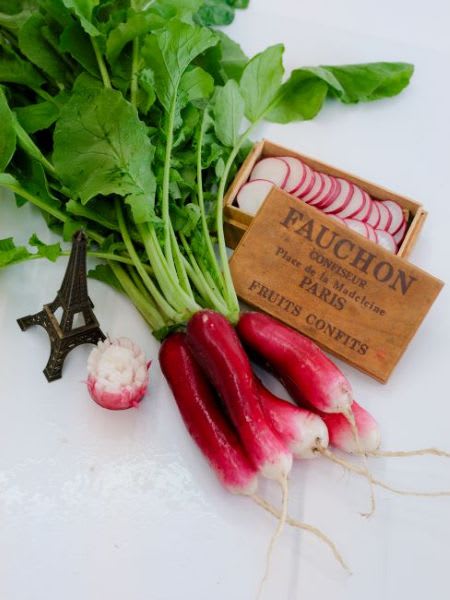
French Breakfast is another winner in the radish patch. This elongated, mildly spicy root with a red top and white bottom matures in about 28 days. French Breakfast radish was first recorded in Europe in 1879, where it was a popular item of the Maraîchers, or market farmers, of Paris. They also are said to have eaten radishes with butter and bread as a morning snack (perhaps because they were hungry after getting up so early and hauling wagon loads of produce to town)!
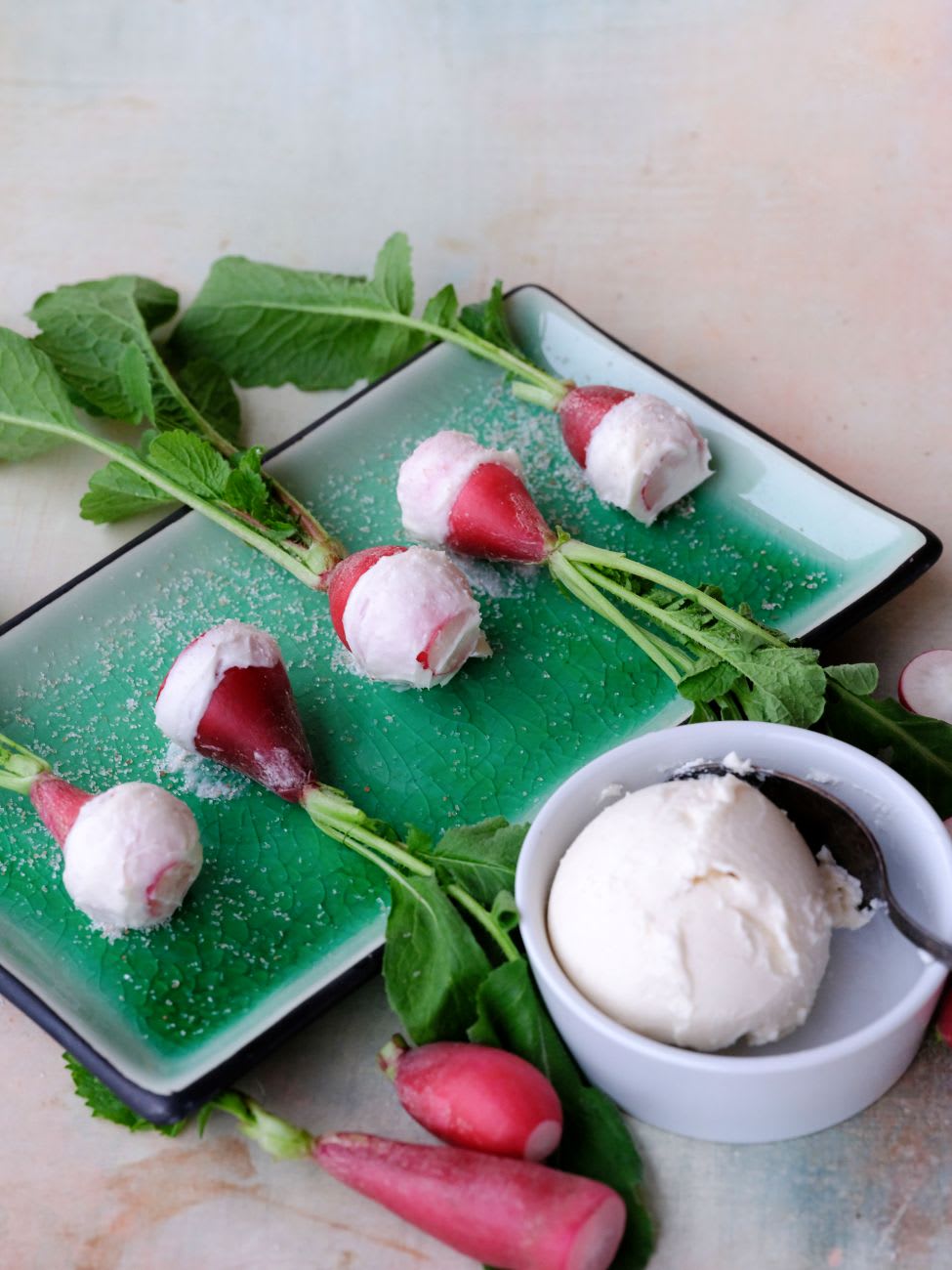
It is a wonderful snack. We’ve made a version of it with Debbie Gettle’s plant butter. (See the recipe below.)
Raphanus sativus is native to China and today is cultivated around the globe in a dizzyingly diverse way. There’s even a radish variety cultivated for its edible pods rather than its roots!
Greens
Heirloom Cutting Mix lettuce is ideal for gardeners who want a little bit of everything in the bowl. This lettuce mix gets rave reviews from customers, and we are glad to know they think it’s a winner, too! Heirloom Cutting Mix is currently equal parts Bronze Beauty, Buttercrunch, Baby Oakleaf, Ice Queen, Outredgeous, Tango, Freckles, and Crisp Mint lettuces. One customer wrote: “Loved the variety of greens and other colors in this mix. Direct sow in early spring, once it got going, it took off like gangbusters ... Grew well in my sandy loam soil amended with some quality garden soil and compost. Will plant again in the fall when it cools off.”
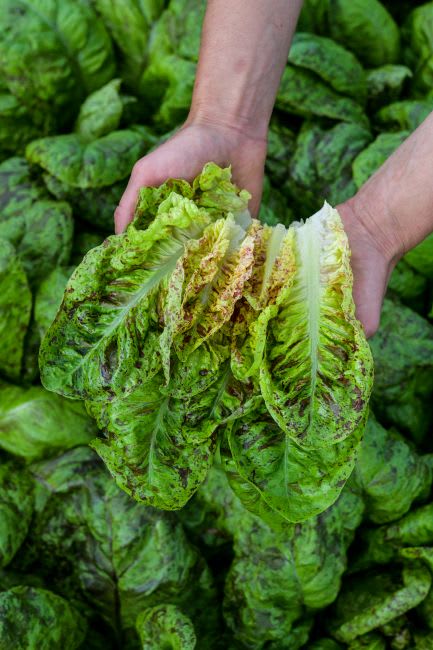
Flashy Butter Gem lettuce, a fabulous open-pollinated variety from breeder Frank Morton of Wild Garden Seed, a farm in the Willamette Valley of Oregon. Frank describes it as “a Little Gem-like butter-cos that forms a fat short-leafed football of a lettuce, splattered throughout by crimson,” perfect, he says, for a high-yield salad crop or for dense baby heads. Flashy Butter Gem is a Morton original, and it is listed on the Open Source Seed Initiative, which allows people to use the seeds any way they wish, provided they pledge “not to restrict others’ use of the seeds or their derivatives by patents or other means and to include the pledge with any transfer of these seeds or their derivatives.”
We absolutely love Pinky Pop mizuna, a styling, delicious Asian green that matures in 40 to 55 days. Pinky Pop's bright pink stems, crisp, refreshing flavor, and an impressive shelf life make it a perfect choice to grow, whether you’re a market farmer or a home gardener! This new open-pollinated mizuna comes from Asahi Noen Seed Company in Japan. Mizuna is a Kyo yasai variety, one of the traditional crops of Kyoto, where vegetables are venerated.
Kale and Chard
Baker Creek customers rave about Dwarf Siberian kale for its incredible production, but they also say it can grow far larger than the term 'dwarf’ indicates. The leaves are lightly frilled and among the sweetest kales we know. We’d put this one in a salad every chance we got! Harvest in 50 days.
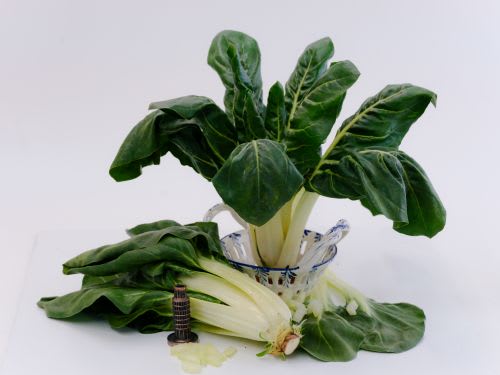
Barese Swiss chard is an Italian variety, developed as a baby leaf type, and the plants are best when harvested at 7 to 12 inches tall. Barese is praised for its mild flavor, tender leaves, and succulent stalks. But don’t let its delicate stature fool you – this variety can really stand up to weather and pests. It's cold tolerant and matures in 50 days.
Swiss chard is a descendant of the wild sea beet and has been cultivated since antiquity. It’s not Swiss at all; it’s thought that Dutch seed merchants affixed the name to this leaf beet crop in the 19th century to differentiate it from spinach. As a leaf crop, chard is an excellent alternative to spinach, and the many fine qualities that separate it from spinach sometimes get overlooked. That’s not OK!
Bonus Recipe: Radishes With Miss Debbie's Plant Butter
Jere Gettle’s mom, Debbie Gettle, shared this recipe for plant-based butter. It is so easy and good that you may never go back to store-bought brands! We combined it with radishes and salt to make a simple and elegant hors d’oeuvres.
Ingredients:
1 1/4 c. almond milk
1 T. vinegar
3 c. coconut oil
1 1/4 c. sunflower oil
4 t. salt
2 t. nutritional yeast
1 t. lecithin
1/2 t. butter flavor (vegan)
Radishes, washed thoroughly
Instructions:
Mix the almond milk and vinegar and set aside for 5 minutes.
Blend the coconut oil, sunflower oil, salt, and nutritional yeast for one minute.
Add the milk-vinegar mixture, lecithin, and butter flavoring to the oil mixture, blend for another minute.
Chill the butter until it starts to solidify, then beat using an electric mixer until it is completely combined.
Spread softened plant butter on the radishes as desired and serve.
This plant butter can be stored in containers in the refrigerator, and it keeps well in the freezer.
Key Takeaways
- Radishes and leafy greens are satisfyingly quick spring crops.
- French Breakfast radish is an heirloom variety dating back to 1879.
- Radishes with butter were a popular snack among the market farmers of Paris in the 19th century.
- Mizuna is a traditional vegetable in Kyoto, where vegetarian cuisine is a cultural hallmark.
About the Author
Michelle Johnson wears many hats at Baker Creek, but her favorite is that of unofficial seed historian. Check out our Seed Stories project on YouTube, which takes a deep dive into the history and significance of heirloom seeds.


