Swiss Chard Seeds,
Barese

48 ReviewsSKU #SC115 · 100 seeds
Price
Regular price $3.50
Regular price $0.00 Sale price $3.50
Save $-3.50
/

FREE U.S. SHIPPING, 2-YEAR GUARANTEE


Description

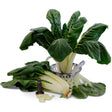
(Beta vulgaris). A particularly delicate and tender Swiss chard that stands up to a range of weather and pests. This is believed to be the best tasting of all chard varieties, being both sweet and tender! Use for baby greens or harvest the entire heads for bunching. Plants are best when cut at 7 to 12 inches tall.

Plant Details

Botanical Name
Beta vulgaris
Life Cycle
Biennial
Sun Requirement
4–8 hr.
Days to Germinate
14–21
Days to Maturity
50
Planting Depth
½ in.
Plant Spacing
8 in.
Ideal Temperature
50–75°F
Frost Hardy
Yes

Growing Guide

When to Grow

Swiss chard is a cool-season crop that can be sown from early spring, about 2-3 weeks before the last expected frost date, to mid-summer. In USDA zones 6 and warmer, chard can be sown again in late summer for winter harvests. It can also be grown year-round in mild climates. If you’re not sure how to find your area's first and last frost dates, consult our blog post 'Our Experts Answer Questions, Share Resources.'

How to Sow and Plant

Direct sow Barese Swiss chard seeds 1/2 inch deep in rows spaced about 12 inches apart. Thin seedlings to 8 inches apart to allow enough space for growth. If starting indoors, sow seeds in pots or trays 6-8 weeks before the last frost date, and transplant them outside when seedlings have a few true leaves and the risk of frost has passed.

How to Grow

Keep the soil evenly moist. Watering is especially important during the summer to prevent the plants from bolting, which stops leaf production. Mulching around the plants helps to retain moisture and control weeds. You can occasionally feed the plants with a balanced fertilizer, particularly if they seem to be growing slowly. Remove any weeds that compete for nutrients, and protect young plants from pests such as slugs and leaf miners​.

How to Save Seeds

  • Like other biennial plants, chard produces flowers and seeds in the spring of its second year, after it has been through winter.
  • Chard is only winter hardy to about 15 degrees F, so in most areas, you must dig the plants in fall and replant them in spring if you want to save seed.
  • Through winter, keep the trimmed plants packed in damp sand in the basement or another cool place.
  • Set them out four to six weeks before your last frost date.
  • Chard is wind-pollinated, so at least six closely spaced plants are needed for a good seed set.
  • Look for greenish flowers followed by seed capsules clustered close to the stem. When the stems dry to brown, crush them inside a paper bag, and gather the largest seeds that fall to the bottom.
  • Store them in a cool, dry place. Chard seeds will keep for at least three years, and often longer.

FAQ

Can Barese Swiss chard be grown in containers?

Yes, Swiss chard grows well in containers. Use a pot at least 12 inches deep with good drainage. Regular watering is important to keep the soil moist, especially in containers.

How long does it take to harvest Barese Swiss chard?

You can start harvesting baby leaves about 30 days after planting. For mature leaves, it typically takes 50 days from sowing to harvest.

How to harvest Barese Swiss chard?

Harvest by cutting the outer leaves when they are about 6-8 inches long. Leave the inner leaves to continue growing. This "cut-and-come-again" method allows for a continuous harvest over a long period.

Browse our full range of Swiss chard seeds.
Customer reviews

4 / 5 8 Reviews

What gardeners are saying

  • Nutty, sweet flavor: Tender leaves, nutty and sweet with no bitterness, even raw.

  • Easy to grow: Germinates well and needs little care in spring and fall.

  • Heads up: Bolts fast once heat arrives; grow it in spring and fall, not summer.