Agastache Seeds,
Navajo Sunset

4.39 ReviewsSKU #HB271 · 35 seeds
Price
Regular price $4.00
Regular price $0.00 Sale price $4.00
Save $-4
/

FREE U.S. SHIPPING, 2-YEAR GUARANTEE


Description

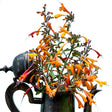
(Agastache auraniaca). Bright orange blooms rise above airy foliage, releasing a lively citrus scent that energizes the garden from summer into fall. This Southwest native grows about 28 inches tall, thriving in poor soil and dry conditions. Hummingbirds, butterflies, and bees gather eagerly, drawn by its nectar-rich flowers. Leaves and blooms brew into a refreshing minty-citrus tea, adding both flavor and usefulness. A resilient, colorful plant that brings warmth, fragrance, and pollinator life to the landscape.

Plant Details

Botanical Name
Agastache aurantiaca
Life Cycle
Perennial
Sun Requirement
Full sun
Days to Germinate
14–21
Days to Maturity
90–100
Planting Depth
Surface sow
Plant Spacing
12 in.
Ideal Temperature
60–90°F
Frost Hardy
Yes

Growing Guide

When to Grow

Start seeds indoors 8–10 weeks before the last expected frost date for the best chance of first-year bloom, or direct sow outdoors in early spring once soil can be worked. Seeds require light to germinate and should be surface sown without covering. A brief cold stratification period of two to four weeks may improve germination rates. In Zones 6–10, established plants are reliably perennial and will return each season without replanting. If you're not sure how to find your first and last frost dates, consult our blog post Our Experts Answer Questions, Share Resources.

How to Sow and Plant

Surface sow seeds by pressing them lightly into moist, well-drained soil without covering. Navajo Sunset is well adapted to poor, sandy, and rocky soils that reflect its native Southwest habitat—avoid heavy clay or poorly drained conditions. Space transplants or thin seedlings to 24–30 inches apart to accommodate the plant's naturally wide, open mature habit. No soil amendment is needed; overly fertile or moisture-retentive soils can shorten plant lifespan and diminish fragrance.

How to Grow

Navajo Sunset is exceptionally drought-tolerant and thrives with minimal care once established. Water regularly during the first season to support strong root development, then reduce irrigation significantly as plants mature. Excellent drainage is essential year-round, particularly through winter when wet soils are the leading cause of plant loss. Deadhead spent flower spikes to encourage continuous blooming through the season, and cut plants back to the ground in early spring before new growth emerges. 

How to Save Seeds

Navajo Sunset produces small seeds in clusters along the dried flower spike, typical of the Lamiacae family.

  • Allow a few flower spikes to dry fully on the plant at the end of the season
  • Harvest seed spikes by cutting and placing in a paper bag to capture any that fall
  • Dry thoroughly in a cool, well-ventilated location before cleaning
  • Store cleaned seeds in a sealed, labeled container in a cool, dry, dark place for up to 3 years

FAQ

What does Navajo Sunset agastache smell and taste like?

The foliage and flowers carry a bright, refreshing citrus-mint fragrance with warm undertones. Both can be used fresh or dried to brew a flavorful, naturally aromatic herbal tea.

Is Navajo Sunset suitable for dry or xeriscape gardens?

Yes—it is one of the most drought-tolerant agastache varieties available, thriving in poor, dry, well-drained soils with minimal supplemental watering once established. It is an ideal choice for water-wise and xeriscape plantings.

How large does Navajo Sunset get compared to other agastache varieties?

Navajo Sunset is a larger-growing variety, reaching 28 inches tall and 30 inches wide at maturity. Its open, airy habit and generous spread make it well suited to the middle or back of the perennial border.

Browse our full range of hyssop and agastache seeds.
Customer reviews

4.3 / 5 9 Reviews

What gardeners are saying

  • Melon-orange blooms: Vivid peach-orange flowers over graceful gray-green foliage.

  • Strong mint scent: Leaves and flowers carry a potent minty, citrusy fragrance.

  • Makes a good tea: Fresh or dried leaves brew a well-liked herbal tea.

  • Bees and hummingbirds: Blooms draw bees and bring hummingbirds in close.

  • Growing tips: Indoor seed starting can be spotty; sowing direct worked better.