Barley Seeds,
Black Hulless

56 ReviewsSKU #GS138 · 250 seeds
Price
Regular price $4.25
Regular price $0.00 Sale price $4.25
Save $-4.25
/

FREE U.S. SHIPPING, 2-YEAR GUARANTEE


Description

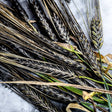
Glossy onyx-black seed heads and dark awns give this ancient hulless barley a striking presence in the garden and in arrangements. Growing 2.5 to 3 feet tall, it is easy to process and wonderfully versatile, whether used for heirloom baking, cover cropping, or ornamental planting. Its playful, whiskered look adds real character, while its practical value keeps it useful from field to kitchen. A handsome old grain with deep roots and broad appeal.

Plant Details

Botanical Name
Hordeum vulgare nudum
Life Cycle
Annual
Sun Requirement
6–12 hr.
Days to Germinate
7–10
Days to Maturity
70–90
Planting Depth
½ in.
Plant Spacing
½ in.
Ideal Temperature
50–75°F
Frost Hardy
Yes

Growing Guide

When to Grow

Sow Black Hulless into well-worked, moderately fertile soil in early spring, or in late autumn in mild-winter areas; it does best in cool conditions and fairly dry soil. Barley seed will germinate in temperatures as low as 37°F, and seedlings typically appear in 7–10 days. Plant about ½ in. deep with seed about ½ in. apart, or broadcast at roughly 20–25 seeds per square foot in smaller spaces. Expect the crop to mature in about 70–90 days.

How to Sow and Plant

  • Seeds will germinate in temperatures as low as 37 F.
  • Sow seeds at a depth of 1-1 ½ inches.
  • Hand broadcast or use a seeder to seed 4 pounds of seed per 1,000 square feet, or about 20-25 seeds per square foot if growing in smaller spaces.

How to Grow

  • Growing barley is easy. Provide well-drained soil with average fertility.
  • Plants prefer full sun and even moisture during germination and plant establishment; however, they do become more drought tolerant as the plants mature.
  • Seedheads should mature in about 60-90 days.
  • As a cover crop, barley works exceptionally well when mixed with legumes. This companionship will help to scavenge nutrients, fix nitrogen and add lots of organic matter to the soil.
  • Harvesting barley can be done with a scythe or by hand, using a sharp knife. Allow the plants to turn yellow and dry before harvesting. Be sure to harvest before the barley gets a heavy rain, as this can compromise the grains. Watch the weather and harvest before any impending rain.

PESTS/SPECIAL CONSIDERATIONS

  • Barley has no particular pest or disease issues.

How to Save Seeds

  • Seed saving on this self-pollinating annual grain is quite easy. An isolation distance of just 10-20 feet between different varieties will ensure they are not cross pollinated.
  • Save seed from a number of different plants within the stand to ensure genetic strength.
  • Harvest seeds when dry and hard.
  • Store in a cool, dark, dry place.

FAQ

What does the Black Hulless plant look like?

It stands about 2.5–3 feet tall with onyx black seed heads and awns, giving a unique cat-whiskers look that adds fun to floral arrangements. Being completely hulless, it is also easier to process and makes amazing baked treats.

Does Black Hulless work as a cover crop?

Yes. Barley works exceptionally well as a cover crop when mixed with legumes — that companionship helps scavenge nutrients, fix nitrogen and add lots of organic matter to the soil.

How and when do I harvest Black Hulless grain?

Allow the plants to turn yellow and dry, then cut with a scythe or by hand with a sharp knife. Watch the weather and harvest before any impending rain, since a heavy rain can compromise the grains.
Customer reviews

5 / 5 6 Reviews

What gardeners are saying

  • Easy to grow: Thrives in plain, unamended soil with almost no care.

  • Weathers rough seasons: Shrugged off cold, storms, humidity and 100-degree days.

  • Early harvest: Ready to cut in 60 to 90 days from sowing.

  • Ornamental grain: Green grass ripens to striking gold and black heads.

More to grow!

See all Barley Seeds