Basil Seeds,
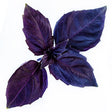
Dark Purple Opal

4.740 ReviewsSKU #HB106 · 100 seeds
Price
Regular price $3.50
Regular price $0.00 Sale price $3.50
Save $-3.50
/

FREE U.S. SHIPPING, 2-YEAR GUARANTEE


Description

(Ocimum basilicum). Deep violet foliage and rich, sweet flavor make this basil one of the most dramatic and memorable types in the herb garden. It was developed at the University of Connecticut in the 1950s by Prof. Joseph M. Lent and John Scarchuck, who used a purple-splotched Turkish selection to correct inconsistent coloring in earlier purple strains. The result was a vigorous, consistently dark plant that earned a bronze medal in the 1962 All-America Selections. A handsome and historic basil with serious fragrance, flavor, and visual punch.

Plant Details

Botanical Name
Ocimum basilicum
Life Cycle
Annual
Sun Requirement
Full sun
Days to Germinate
6–10
Days to Maturity
60–75
Planting Depth
¼ in.
Plant Spacing
8–12 in.
Ideal Temperature
70–85°F
Frost Hardy
No

Growing Guide

When to Grow

Start seeds indoors 4-6 weeks before your area's last frost date, and transplant seedlings outdoors once nighttime temperatures stay above 50 F. Alternatively, seeds can be directly sown outdoors in warmer climates once all danger of frost has passed. Dark Purple Opal basil grows best during the warm summer months. Learn about your area's hardiness zones and first/last frost dates in our blog post 'Our Experts Answer Questions, Share Resources.'

How to Sow and Plant

Sow Dark Purple Opal basil seeds 1/4 inch deep in seed trays or directly in prepared garden beds after frost danger has passed. Maintain a soil temperature between 70 to 85°F for germination. Space plants 8 to 12 inches apart in the garden for optimal airflow and growth. If starting indoors, harden off seedlings over 7 to 10 days by gradually exposing them to outdoor conditions before transplanting.

How to Grow

Dark Purple Opal basil is a heat-loving plant that requires consistent care. Water regularly to keep the soil moist but well-draining, and apply a balanced fertilizer or compost every 2 to 4 weeks to support healthy, vibrant foliage. To prevent bolting and maintain the plant’s flavor, remove flower buds as soon as they appear. This basil also thrives as a container plant, making it a great choice for small gardens or patios. Its flowers attract pollinators like bees and butterflies, which will benefit the rest of your garden.

How to Save Seeds

  • Flower heads mature progressively from the bottom of the stem to the top.
  • When the bottom seed head starts to turn brown, the stem can be cut and allowed to dry away from direct sun in a well-ventilated area.
  • Rub dried raceme over a fine wire mesh and winnow off the chaff.
  • Place chaff in a bowl and carefully swirl contents around. Seeds will gather at the bottom of the bowl.
  • Tip the bowl so that the chaff can be discarded and blow the rest out carefully.

FAQ

Can I grow Dark Purple Opal basil indoors?

Yes, it grows well indoors if it receives at least 8 to 12 hours of sunlight or supplemental light from a grow lamp. Be sure to plant it in well-draining soil and water regularly.

How long does Dark Purple Opal basil take to mature?

It matures in about 60 to 75 days, but you can begin harvesting leaves as early as 3 to 4 weeks after germination.

How is Dark Purple Opal basil used in cooking?

Its slightly spicy flavor is excellent in salads, pestos, herbal vinegar, and as a garnish. The purple leaves also make beautiful herbal teas and infused oils.

Browse our full range of basil seeds.
Customer reviews

4.7 / 5 40 Reviews

What gardeners are saying

  • Striking purple foliage: Grown as much for looks as for eating; stunning in beds and bouquets.

  • Easy and vigorous: Near-total germination and tough plants that handle heat.

  • Milder, sweet flavor: Gentler than Genovese; a purple twist on caprese and pesto.

  • Bees on the blooms: Pink-purple flowers draw pollinators when allowed to bloom.

  • Heads up: Color fades to green in shade or extreme heat; full sun deepens it.

More to grow!

See all Basil Seeds