Basil Seeds,
Lime

4.433 ReviewsSKU #HB103 · 100 seeds
Price
Regular price $3.50
Regular price $0.00 Sale price $3.50
Save $-3.50
/

FREE U.S. SHIPPING, 2-YEAR GUARANTEE


Description

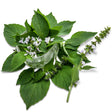
(Ocimum americanum). Sharp lime fragrance gives this basil an instantly refreshing character that makes it stand out in both garden and kitchen. Famous in Thai and Southeast Asian cooking, it also works beautifully in tea, simple syrup, drinks, desserts, and all kinds of creative dishes. The aromatic foliage is a magnet for pollinators and even adds a bright burst of scent to floral arrangements. A zesty, versatile basil with plenty of flavor and a whole lot of garden charm.

Plant Details

Botanical Name
Ocimum americanum
Life Cycle
Annual
Sun Requirement
Full sun
Days to Germinate
6–10
Days to Maturity
60–75
Planting Depth
¼ in.
Plant Spacing
8–12 in.
Ideal Temperature
70–85°F
Frost Hardy
No

Growing Guide

When to Grow

Lime basil is a warm-weather herb that should be planted after all risk of frost has passed and nighttime temperatures consistently stay above 50 F. This typically means planting in late spring or early summer, depending on your region. If you're uncertain about your frost-free dates, check out our blog post, 'Our Experts Answer Questions, Share Resources.' The best temperature for optimal growth is 70-85 F.

How to Sow and Plant

Basil Lime seeds indoors 4 to 6 weeks before your last expected frost date. Sow seeds 1/4 inch deep in a well-draining seed-starting mix and keep the soil consistently moist. Place the seed trays in a warm location with temperatures between 70 to 85°F. Seeds will germinate in 6 to 10 days. Transplant outdoors when the weather is suitable, spacing 8 to 12 inches apart. In long-summer areas, you can also direct sow outdoors, later thinning to the proper spacing.

How to Grow

Water at the base of the plant to keep the foliage dry and prevent fungal issues. Apply mulch to retain soil moisture and suppress weeds. Fertilize the plants with a balanced, organic fertilizer every 2 to 4 weeks for better growth. Regularly pinch off flowers as soon as they appear to encourage the plant to focus on leaf production. Lime basil is well-suited for container gardening and can also be planted alongside companion plants such as tomatoes to repel pests and enhance flavor. Harvest frequently to keep the plant productive and bushy.

How to Save Seeds

  • Flower heads mature progressively from the bottom of the stem to the top.
  • When the bottom seed head starts to turn brown, the stem can be cut and allowed to dry away from direct sun in a well-ventilated area.
  • Rub dried raceme over a fine wire mesh and winnow off the chaff.
  • Place chaff in a bowl and carefully swirl contents around. Seeds will gather at the bottom of the bowl.
  • Tip the bowl so that the chaff can be discarded and blow the rest out carefully.

FAQ

How do I protect Lime basil from pests and diseases?

To deter pests like aphids and spider mites, use organic pest control methods such as neem oil or insecticidal soap. Avoid overhead watering to prevent fungal diseases.

How to use Lime basil in cooking?

Lime basil's bright citrus flavor pairs well with seafood dishes, teas, desserts, and cocktails, making it a versatile culinary herb.

How do I keep Lime basil from bolting?

Regularly pinch off flower buds as they form and harvest the leaves frequently to prolong the plant's vegetative growth and delay bolting.

Browse our full range of basil seeds.
Customer reviews

4.4 / 5 33 Reviews

What gardeners are saying

  • Bright lime flavor: Strong citrus kick; great in tea, lemonade, salads and cookies.

  • Intensely fragrant: The scent hits you every time you water or pick it.

  • Bees on the blooms: The flowers bring bees into the garden.

  • Smaller, leggier plant: Less bushy than Genovese; plant extra for pesto quantities.

  • Heads up: Often slow to sprout and size up; start early and keep it warm.

More to grow!

See all Basil Seeds