Bean Seeds,
Jade Bush

4.620 ReviewsSKU #BN210 · 40 seeds
Price
Regular price $4.00
Regular price $0.00 Sale price $4.00
Save $-4
/

FREE U.S. SHIPPING, 2-YEAR GUARANTEE


Description

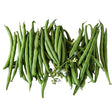
(Phaseolus vulgaris) Bush bean. Long, straight jade-green pods rise above the foliage on sturdy, bushy plants, making harvest easy, clean, and downright satisfying. This stringless variety is known for its heavy yields and dependable performance, producing loads of six- to seven-inch pods with crisp texture and classic fresh bean flavor. Disease resistant and reliable, it keeps the harvest coming in a smooth, steady rhythm that both home gardeners and market growers appreciate.

Plant Details

Botanical Name
Phaseolus vulgaris
Life Cycle
Annual
Growth Habit
Bush
Sun Requirement
Full sun
Days to Germinate
7–14
Days to Maturity
55
Planting Depth
½–1 in.
Plant Spacing
6 in.
Ideal Temperature
70–80°F
Frost Hardy
No

Growing Guide

When to Grow

Jade bush beans should be planted after the last frost date in your area. The ideal temperature is 70-80 F. These beans mature in about 55 days, allowing for multiple planting cycles throughout the growing season. For continuous harvest, plant new seeds every two to three weeks until mid-summer​. To determine specific planting dates, you may want to check your local frost dates and USDA hardiness zone recommendations.

How to Sow and Plant

To plant Jade bush beans, prepare the soil by adding compost or aged manure to improve fertility and drainage. Soak seeds overnight. Sow the seeds 1/2 to 1 inch deep and 6 inches apart, with rows spaced about 18 to 24 inches apart. Seeds typically germinate in 7 to 14 days.

How to Grow

Once the beans have sprouted, ensure they receive at least 2 to 3 inches of water per week, preferably through rain or a gentle watering system. While they generally don't require much fertilization if grown in rich soil, a balanced fertilizer can be applied sparingly. Keep the planting area free from weeds and mulch to conserve moisture and reduce weed competition​. Pick frequently to keep plants productive.

How to Save Seeds

  • Common beans do not easily cross pollinate and can be grown close to one another, making them the ideal seed-saving project for beginners.
  • Save seeds from the best-looking, best-tasting, and most vigorous beans.
  • Leave pods on the plant to dry. Pull the plants and shake them vigorously into a bag to release the beans from the pods (same as you would for using them as dried beans).
  • Store in a cool, dry place for the winter (a glass jar in the refrigerator works well!).

FAQ

Do Jade bush beans need support to grow?

No, Jade bush beans do not require support as they grow in a compact, bush-like form​.

What pests should I look out for?

Common pests include the Mexican bean beetle, aphids, and thrips. Regular inspection and garden hygiene can help manage these pests​.

How often should I plant new seeds for continuous harvest?

To ensure a steady supply of beans throughout the season, plant new seeds every two to three weeks until midsummer.

Browse our full range of bean seeds.
Customer reviews

4.6 / 5 20 Reviews

What gardeners are saying

  • Tender and stringless: Crisp, tender pods that stay stringless even when large.

  • Heavy producer: Keeps pushing out beans from summer into fall, right to frost.

  • Heat and cold tolerant: Grows well in hot and cool climates, even through drought.

  • Long, straight pods: Straight pods often 8 to 12 inches long, good for dilly beans.

  • A new favorite: Many call it their favorite bush bean, ahead of Blue Lake.