Broccoli Seeds,
Early Purple Sprouting

3.538 ReviewsSKU #BR102 · 300 seeds
Price
Regular price $3.75
Regular price $0.00 Sale price $3.75
Save $-3.75
/

FREE U.S. SHIPPING, 2-YEAR GUARANTEE


Description

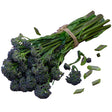
(Brassica oleracea) A true old-world winter broccoli from the U.K., prized since at least 1793, when it appeared in John Mason’s catalog. Plants quietly endure the cold, then burst forth in early spring with clusters of tender purple sprouts. The flavor is exceptional—buttery soft, delicately nutty, and even finer after winter chill. Best suited to mild or protected climates, it rewards patient growers with one of the sweetest spring harvests in the garden.

Plant Details

Botanical Name
Brassica oleracea
Life Cycle
Biennial
Sun Requirement
6–8 hr.
Days to Germinate
7–10
Days to Maturity
180–270
Planting Depth
½ in.
Plant Spacing
15–24 in.
Ideal Temperature
45–75°F
Frost Hardy
Yes

Growing Guide

When to Grow

Sow in late spring to mid-June, either direct or in a seedbed, and set the plants out to overwinter. They need overwintering, at least six weeks of cool temperatures, to produce florets, and are harvested the following late winter into spring. Plants can grow unprotected in zones 7b and warmer; in cooler regions, grow them over winter in a hoop house or greenhouse. If you're not sure how to find your first and last frost dates, consult our blog post 'Our Experts Answer Questions, Share Resources.'

How to Sow and Plant

Indoors: Start seeds indoors 6–8 weeks before the last frost in your area. Use seed trays filled with well-draining compost. Place trays in a warm, sunny location and keep the soil moist. Transplant seedlings into the garden when they have their first set of true leaves.

Outdoors: Prepare the soil by incorporating well-rotted compost or manure. Sow seeds 1/4 to 1/2 inch deep. Space plants 15 to 24 inches apart. Ensure the soil is consistently moist and weed-free until germination.

How to Grow

After transplanting, water regularly to keep the soil moist. Apply mulch to retain moisture and suppress weeds. Fertilize with a balanced fertilizer every 4–6 weeks. Watch for pests such as aphids and cabbage worms, and use organic methods to control them if needed. Support plants with stakes if they grow tall and become unstable. Harvest when the spears are firm and deep purple by cutting them off at the base with a sharp knife​​.

How to Save Seeds

Broccoli is considered to be a more challenging crop for seed saving. It is a biennial and will not flower until its second year of growth.

It is easy to keep broccoli alive over winter in climates where the winter is mild. Northerners will need to get creative; established broccoli is not tolerant of temperatures below 20 F.

FAQ

Can I grow Early Purple Sprouting broccoli in containers?

Yes, but ensure the container is deep and wide enough to accommodate root growth, and receives plenty of sun and water.

How often should I water Early Purple Sprouting broccoli?

Provide 1–2 inches of water per week, adjusting during dry spells to keep the soil consistently moist, as plants do not tolerate drought.

What are common pests and diseases?

Common pests include cabbage worms, cabbage loopers, and diamondback moths. Diseases such as clubroot, black rot, and downy mildew can also affect the plants. Regular monitoring and appropriate organic treatments are recommended.

Browse our full range of broccoli seeds.
Customer reviews

3.5 / 5 38 Reviews

What gardeners are saying

  • Heads up: Sow late summer, overwinter; spring sowings and hot zones rarely head.

  • First spring harvest: Purple shoots in March and April, before anything else is ready.

  • Eat the leaves too: The leaves are prized as greens even when florets never come.

  • Big, easy plants: Huge plants that shrug off neglect, cold snaps and most pests.

  • Reliable germination: Comes up well direct-sown, in trays or in a greenhouse.