Brussels Sprouts Seeds,
Groninger

410 ReviewsSKU #BS105 · 150 seeds
Price
Regular price $3.50
Regular price $0.00 Sale price $3.50
Save $-3.50
/

FREE U.S. SHIPPING, 2-YEAR GUARANTEE


Description

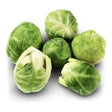
(Brassica oleracea). Groninger is a steady, easygoing Brussels sprout that performs beautifully in a wide range of conditions. Medium to small sprouts form tight heads and keep a delicate, refined flavor even when weather shifts around. It handles light frost with ease, and the flavor only gets better as the cold rolls in. An excellent choice for first-timers and seasoned growers alike, with the RHS Award of Garden Merit to prove its garden class.

Plant Details

Botanical Name
Brassica oleracea
Life Cycle
Biennial
Sun Requirement
Full sun
Days to Germinate
7–10
Days to Maturity
100
Planting Depth
¼–½ in.
Plant Spacing
24 in.
Ideal Temperature
50–75°F
Frost Hardy
Yes

Growing Guide

When to Grow

Start seeds indoors 6-8 weeks before the last frost date in your area. Transplant outdoors when seedlings are 4-6 weeks old and after the danger of frost has passed. In milder climates, direct sowing in early spring is also possible. This variety is particularly suited for fall harvesting, as the cooler temperatures enhance the flavor of the sprouts. If you’re not sure how to find your first and last frost dates, consult our blog post 'Our Experts Answer Questions, Share Resources.'

How to Sow and Plant

Sow seeds 1/4 to 1/2 inch deep in seed-starting trays or pots filled with quality seed-starting mix. Maintain soil temperature between 50-75 F until germination, which typically takes 7-10 days. Once seedlings have developed two sets of true leaves, they can be transplanted into the garden, spaced about 24 inches apart in rows 24-36 inches apart.

How to Grow

Groninger Brussels sprouts require full sun and rich, well-drained soil with a pH of 6.5-7.5. Regular watering is crucial, especially during dry spells. Fertilize with a balanced fertilizer once every few weeks to encourage robust growth. As the plants mature, remove the lower leaves to help focus the plant’s energy on sprout production. Harvest the sprouts when they reach 1-2 inches in diameter, starting from the bottom of the stalk and working your way up.

How to Save Seeds

To save seeds, allow some plants to overwinter in the garden. Brussels sprouts are biennials, meaning they flower and produce seeds in their second year. In spring, they will produce yellow flowers followed by seed pods. Once the pods have matured and dried on the plant, harvest them and thresh the seeds. Store seeds in a cool, dry place.

FAQ

Can Groninger Brussels sprouts tolerate frost?

Yes, they are quite frost-tolerant and their flavor improves after a light frost.

How long does it take for Groninger Brussels sprouts to mature?

They typically take around 100 days from transplanting to reach maturity.

Should I stake my Groninger Brussels sprouts?

Staking is not usually necessary unless you’re growing in a windy area, where supporting the stalks can prevent them from toppling.

Browse our full range of Brussels sprout seeds.
Customer reviews

4 / 5 10 Reviews

What gardeners are saying

  • Takes heat: Set tight sprouts in Arizona, Florida and Nebraska warmth.

  • Frost tolerant: Keeps outdoors all winter through frost and snow.

  • Tight, meaty sprouts: Medium sprouts all the way up a strong stalk.

  • Excellent flavor: Very good nutty flavor, even on the smaller sprouts.

  • Heads up: Cabbage worms love them; cover or spray early.