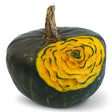
Winter Squash Seeds,
Buttercup
FREE U.S. SHIPPING, 2-YEAR GUARANTEE
Description
(Cucurbita maxima). The satiny soft texture and unmistakable chestnut flavor of this turban squash is reminiscent of the famous ancient Japanese-bred kabochas. In reality, this exceptional variety was bred at North Dakota State University in the 1920s as a replacement for sweet potatoes. Northern researchers found a chance cross between the Essex and Quality varieties, and they named their happy accident Buttercup. The rugged plants thrived in the notoriously brief N.D. growing season. The researchers also appreciated its early maturity and natural insect resistance and conducted exhaustive taste tests. Selection resulted in the dusty aquamarine-colored fruit of perfect family serving size with bright orange flesh, exceptional mild sweet flavor, and creamy texture. University of North Dakota researchers exclaimed “Each squash weighs 3- 3.5 pounds, just enough to serve 5 to 6 people in one meal with no leftovers." The nutritious starchy flesh made a perfect substitute for those northern growers yearning for the elusive semi-tropical sweet potatoes of the South. A shining example of pre-industrialized breeding, where flavor and texture were considered equally important as yield and vigor.
Plant Details
- Botanical Name
- Cucurbita maxima
- Life Cycle
- Annual
- Growth Habit
- Vining
- Sun Requirement
- Full sun
- Days to Germinate
- 7–12
- Days to Maturity
- 90–100
- Planting Depth
- 1 in.
- Plant Spacing
- 36–48 in.
- Ideal Temperature
- 70–95°F
- Frost Hardy
- No
Growing Guide
When to Grow
How to Sow and Plant
How to Grow
How to Save Seeds
FAQ
How long does it take for Buttercup squash seeds to germinate?
Buttercup squash seeds typically germinate in about 7 to 12 days when soil temperatures are consistently between 70°F and 85°F. Warmer soils will speed up the process slightly.
Can Buttercup squash be grown in containers?
Yes, Buttercup squash can grow in very large containers (at least 20 gallons) with a sturdy trellis to support the vines. Choose dwarf varieties if space is extremely limited.
Do I need to hand-pollinate Buttercup squash?
In many gardens, natural pollinators like bees will do the job. However, if you notice poor fruit set, you can hand-pollinate by transferring pollen from male to female flowers using a small paintbrush.
Browse our full range of winter squash seeds.