Cabbage Seeds,
Glory of Enkhuizen

4.617 ReviewsSKU #CB104 · 300 seeds
Price
Regular price $3.25
Regular price $0.00 Sale price $3.25
Save $-3.25
/

FREE U.S. SHIPPING, 2-YEAR GUARANTEE


Description

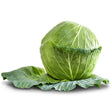
(Brassica oleracea). Firm, round heads mature in about 90 days, combining early harvest with strong storage ability. Introduced in Enkhuizen, Holland in 1899, this variety became a favorite for its dependable yields and kraut-making quality. A classic cabbage that bridges fresh use and fermentation with ease.

Plant Details

Botanical Name
Brassica oleracea
Life Cycle
Biennial
Sun Requirement
Full sun
Days to Germinate
7–10
Days to Maturity
90
Planting Depth
¼ in.
Plant Spacing
18–20 in.
Ideal Temperature
50–75°F
Frost Hardy
Yes

Growing Guide

When to Grow

Start seeds indoors 6-8 weeks before the last expected frost date for a spring harvest. For a fall crop, sow seeds directly in the garden in early to midsummer, about 16-17 weeks before the first expected frost: the 90 days to maturity are counted from transplant size, so a direct-sown crop needs another 3-4 weeks for germination and the seedling stage. The variety is frost-tolerant, which allows it to grow in cooler temperatures, ideally between 50-75 F. If you’re not sure how to find your first and last frost dates, consult our blog post 'Our Experts Answer Questions, Share Resources.'

How to Sow and Plant

Sow seeds 1/4 inch deep in seed trays filled with a high-quality seed-starting mix. Maintain consistent moisture and warmth until the seeds germinate, usually within 7-10 days. Once the seedlings develop 2-3 true leaves, harden them off before transplanting outdoors. Space the plants 18-20 inches apart. You can also direct plant seeds 1/4 inch deep in well-prepared soil and thin the seedlings to the appropriate spacing once they emerge.

How to Grow

Water regularly, especially during head formation, to ensure large, firm heads. Cabbage typically needs about 1 inch of water per week. Fertilize with a balanced fertilizer at planting and side-dress with a nitrogen-rich fertilizer every 3-4 weeks throughout the growing season. Provide full sun exposure, although partial shade can help prevent bolting in hotter climates.

How to Save Seeds

  • If you plan to save seeds, isolate plants from other members of the cabbage species (kale, collards, broccoli, Brussels sprouts and cauliflower) by up to one mile to avoid cross pollination.
  • Cabbage is biennial, blooming only after experiencing a winter's chill, and will require overwintering with heavy mulch and row cover in cool winter areas.
  • For those with very harsh winters, consider digging up and placing in a root cellar until hard frost has passed.
  • In the second season, when flowers have passed and seed pods have dried, dig up the plants and hang upside down to dry.
  • Dried pods can be placed in a sack and crushed to release seeds. Remove chaff and detritus.
  • Place seeds in a glass jar and refrigerate for up to 5 years.

FAQ

How long does it take for Glory of Enkhuizen cabbage to mature?

Typically about 90 days from, depending on growing conditions.

What pests commonly affect Glory of Enkhuizen cabbage, and how can they be controlled?

Common pests include cabbage worms, aphids, and slugs. Use row covers to protect young plants and apply organic pest control methods such as neem oil or insecticidal soap to manage infestations.

How do I know when Glory of Enkhuizen cabbage is ready to harvest?

It is ready to harvest when the heads are firm and have reached a desirable size. To harvest, cut the cabbage at the base with a sharp knife. It's best to harvest before the heads begin to split, which can happen if they are left in the garden too long.

Browse our full range of cabbage seeds.
Customer reviews

4.6 / 5 17 Reviews

What gardeners are saying

  • Sauerkraut favorite: Dense, mild heads that make outstanding kraut and slaw.

  • Basketball-size heads: Heads run 10 to 17 pounds; one barely fit in the fridge.

  • Second heads after cutting: Cut stumps can push out softball-size second heads.

  • Near-total germination: Sprouts in a day or two and transplants without fuss.

  • Heads up: Cabbage worms and bugs find it; net or dust in warm months.