Celery Seeds,
Amsterdam

4.710 ReviewsSKU #CE102 · 200 seeds
Price
Regular price $3.50
Regular price $0.00 Sale price $3.50
Save $-3.50
/

FREE U.S. SHIPPING, 2-YEAR GUARANTEE


Description

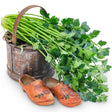
(Apium graveolens) This is the celery that never keeps you waiting. Amsterdam cutting celery delivers a steady supply of rich, aromatic flavor from both leaves and slender stems. Rooted in Dutch seed tradition with strong ties to Asian cooking, it’s the go-to for broths, soups, and daily seasoning. Cut what you need, let it grow back, and keep the flavor flowing. A true kitchen companion that turns simple meals into something soulful and satisfying.

Plant Details

Botanical Name
Apium graveolens var. secalinum
Life Cycle
Biennial
Sun Requirement
6–8 hr.
Days to Germinate
15–20
Days to Maturity
80
Planting Depth
Surface sow
Plant Spacing
6–10 in.
Ideal Temperature
60–70°F
Frost Hardy
Yes

Growing Guide

When to Grow

Amsterdam celery should be started indoors 8-12 weeks before the last frost date in your area. For most regions, this means starting seeds in late winter to early spring. Once the temperatures are consistently above 50-55 F, you can transplant the seedlings outdoors. In milder climates, you can also start seeds in the fall​. In most climates it’s also possible to start celery in midsummer to harvest in fall. If you’re not sure how to find your first and last frost dates, consult our blog post 'Our Experts Answer Questions, Share Resources.'

How to Sow and Plant

Celery seeds are tiny and should be sown on the surface of a quality seed starting mix, then lightly covered. Surface sow, gently pressing into the soil. Keep the soil consistently moist and maintain a temperature of 70-75 F until germination. After the seedlings have two sets of true leaves, they can be transplanted into larger pots or directly into the garden​.

How to Grow

Amsterdam celery requires rich, well-drained soil with plenty of organic matter. Incorporate compost or well-rotted manure into the soil before planting. Consistent watering is important as well. The soil should be kept evenly moist but not waterlogged. Mulch around the plants to retain moisture and regulate soil temperature​. You can apply a balanced, organic fertilizer every 4-6 weeks during the growing season​.

How to Save Seeds

  • Celery and celeriac are insect pollinated and should be isolated by 1 mile from each other to ensure seed purity.
  • Both plants are biennial and must either be dug and stored or be left in the ground to overwinter and flower the following spring.
  • Harvest the seeds when the flowers have completely dried on the plant.
  • When stored properly, celery and celeriac seeds will last for 5 years or more.

FAQ

Can I grow Amsterdam celery in containers?

Yes, Amsterdam celery can be grown in containers. Use a pot at least 8 inches deep and wide, filled with a mix of potting soil and compost. Ensure the container has good drainage and water the plants regularly.

How do I harvest Amsterdam celery?

Harvest the leaves by snipping the outer leaves with scissors or garden shears. This encourages bushier growth and provides a continuous supply of fresh leaves. Store harvested leaves in the refrigerator for up to a week.

What are the common pests and diseases for Amsterdam celery?

Watch for aphids, snails, and slugs. Use organic insecticides like neem oil to control pests. To prevent diseases such as leaf blight, ensure good air circulation around the plants and avoid overhead watering.

Browse our full range of celery and celeriac seeds.
Customer reviews

4.7 / 5 10 Reviews

What gardeners are saying

  • Intense celery flavor: Strong celery taste and scent; great in soups and sauces.

  • Frost hardy: Shrugs off snow and hard freezes, then regrows in spring.

  • Cut and come again: Prolific; harvest all season and dry extra for winter.

  • Easy to grow: Low fuss and slow to bolt, even through hot spells.

  • Heads up: Slim, leafy stalks for cooking, not a crunchy snacking celery.

More to grow!

See all Celery Seeds