Celosia Seeds,
Higyoku Red Stem Cockscomb

4.65 ReviewsSKU #FL626 · 50 seeds
Price
Regular price $4.00
Regular price $0.00 Sale price $4.00
Save $-4
/

FREE U.S. SHIPPING, 2-YEAR GUARANTEE


Description

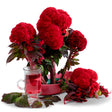
In Japan, this red-tinged celosia was selected for color that holds from the first leaves all the way to the final crest. The burgundy foliage and stems set off striking vermillion heads, giving the plants a bold presence in beds, borders, containers, and more. Plants stand 2 to 2.5 feet tall and branch freely, producing many heads that vary in form—some like small pokers, others developing into tightly ruffled, fist-sized crests or cockscombs. With its sturdy, multibranching habit, Higyoku Red Stem Celosia is a versatile type for arrangements, and it also brews into a deep crimson-colored herbal tea.

Plant Details

Botanical Name
Celosia argentea
Life Cycle
Annual
Sun Requirement
Full sun
Days to Germinate
14–21
Days to Maturity
90–100
Planting Depth
⅛ in.
Plant Spacing
6–8 in.
Ideal Temperature
65–95°F
Frost Hardy
No

Growing Guide

When to Grow

Start Higyoku indoors 3 to 4 weeks before transplanting out after your last frost, or sow it straight into the garden once frost has passed. Seeds germinate in 14 to 21 days at 65-70°F under a light cover of fine, moist soil. Give plants full sun and 6 to 8 inches of space; the first heads appear about 90 to 100 days after sowing.

How to Sow and Plant

  • Seeds germinate in 14-21 days.
  • Surface sow seeds and cover with a layer of soil, making sure that seeds are well covered, as light inhibits germination.
  • Direct sow in place after last frost or start indoors 4-6 weeks before last frost.
  • Ideal germination temperature is 65-70 F.

How to Grow

  • Celosia can handle a wide range of soil and they appreciate full sun.
  • Space 9-12 inches apart. Plants range in height from dwarf to 3.5 feet tall depending on variety.
  • While the plants are considered drought-tolerant, keep them well-watered during germination and establishment as water stress can cause premature blooming.
  • Cut flower growers should pinch the main growing stem when plants reach 12 inches tall to encourage multiple branching versus single chunky stems.

PESTS/SPECIAL CONSIDERATIONS

  • Typically pest-free, though aphids may be a problem but can be treated with organic insecticidal soap.
  • This warm weather-loving plant may suffer from botrytis and rot if consistently exposed to temperatures cooler than 60 F and high humidity. Space plants farther apart to promote better air circulation and do not plant too early when the weather is still cold.

How to Save Seeds

  • Flowers are mostly self-pollinating, but insects can cross-pollinate different varieties. In order to prevent errant insect pollination, separate different varieties by 1/4 mile.
  • Save seeds when flower heads have turned brown; just place heads in a paper bag and shake seeds free.
  • Keep seeds in a cool, dry dark place.
  • Seeds remain viable for 3-5 years when stored properly.

FAQ

What does Higyoku look like?

It is gorgeous from leaf to flower. Burgundy foliage and stems offset the striking vermillion heads, making it a bold choice for beds, borders, and containers.

What size and shape are the blooms?

Plants stand 2 to 2.5 feet tall with multiple branches, producing heads that range from small pokers to tightly ruffled, fist-sized crests or cockscombs.

Is it only ornamental?

No. Its sturdy, multibranching habit makes it great for arrangements, and it also makes a deep crimson-colored tea.
Customer reviews

4.6 / 5 5 Reviews

What gardeners are saying

  • Stunning foliage: Lime, burgundy and vermilion leaves before the blooms open.

  • Tall, sturdy stems: Reaches 4 feet or more without staking.

  • Easy to grow: Low maintenance; just water and let it go.

  • Loves heat and sun: Thrives in Texas and Florida full sun.