Kohlrabi Seeds,
Early Purple Vienna

4.522 ReviewsSKU #KL101 · 400 seeds
Price
Regular price $3.00
Regular price $0.00 Sale price $3.00
Save $-3
/

FREE U.S. SHIPPING, 2-YEAR GUARANTEE


Description

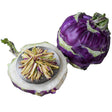
(Brassica oleracea var. gongylodes). Delicious, cabbage-flavored bulbs that grow above ground. Purple skin and sweet, white flesh; good cooked or raw. Kohlrabi makes a real staple crop with high yields; cold hardy. A pre-1860 heirloom.

Plant Details

Botanical Name
Brassica oleracea var. gongylodes
Life Cycle
Biennial
Sun Requirement
6–12 hr.
Days to Germinate
6–9
Days to Maturity
55
Planting Depth
¼ in.
Plant Spacing
6–8 in.
Ideal Temperature
45–80°F
Frost Hardy
Yes

Growing Guide

When to Grow

Direct sow in rich soil every 2-3 weeks from 2-4 weeks before the last spring frost, making the last fall sowing about 8-10 weeks before the first autumn frost so the bulbs have the 55 days they need. Kohlrabi is particularly well-suited for fall planting, as cooler temperatures can enhance the sweetness of the bulbs​.If you’re not sure how to find your first and last frost dates, consult our blog post 'Our Experts Answer Questions, Share Resources.'

How to Sow and Plant

Sow seeds about 1/4 inch deep, spacing them about 1 inch apart in rows 12-18 inches apart. Once seedlings emerge, thin them to 6-8 inches apart to allow enough room for the bulbs to develop. If transplanting seedlings started indoors, do so when they have 3-4 true leaves and have been hardened off for about a week​.

How to Grow

Kohlrabi requires consistent moisture to avoid woody bulbs, so water regularly, especially during dry spells. Fertilize lightly with a balanced fertilizer or side-dress with compost halfway through the growing season. Kohlrabi is a light feeder but benefits from added potassium and calcium for strong growth. Companion planting with onions, beets, and cucumbers can help deter pests, while avoiding plants like strawberries and tomatoes can prevent disease issues.

How to Save Seeds

  • Like its cabbage cousins, kohlrabi is a biennial and must be overwintered to produce seeds.
  • Kohlrabi is hardy down to 20 F. Those in areas with mild winters should have no issue keeping plants alive over winter.
  • In cooler regions, kohlrabi must be dug up and overwintered in sand in the root cellar. Kohlrabi stored this way should not be allowed to dry up and may need light watering while in storage.
  • Replant them after the last frost and allow them to go to seed.
  • Pick the seed pods after they are thoroughly dried and place them in a cloth bag. You will need to use a hammer or step on the stubborn pods to free the seeds.
  • Separate seeds from the chaff (leaf, pod, and stem trash) and store them in glass jars in the refrigerator.

FAQ

Can Early Purple Vienna kohlrabi be grown in containers?

Yes, kohlrabi can be grown in containers. Use a container at least 16 inches in diameter and deep, with well-draining soil rich in organic matter. Ensure adequate spacing between plants.

What pests and diseases can affect Early Purple Vienna kohlrabi?

Common pests include flea beetles, cabbage worms, and aphids. Diseases like clubroot and downy mildew can also affect kohlrabi. Using row covers, proper crop rotation, and organic pesticides like neem oil can help manage these issues.

What are the ideal growing conditions for Early Purple Vienna kohlrabi?

It thrives in cool weather, ideally between 45-80 F. It requires full sun and well-drained soil enriched with organic matter. The plant is frost-tolerant and can be grown in spring and fall, making it adaptable to various climates.

Browse our full range of kohlrabi seeds.
Customer reviews

4.5 / 5 22 Reviews

What gardeners are saying

  • Fast to sprout: Up in days, even in hydroponic countertop gardens.

  • Crisp and mild: Sweet and crisp raw or roasted; the leaves eat like kale.

  • Handles heat: Stayed sweet and tender through 90-degree weather.

  • Thrives on neglect: Low fuss in beds or containers once established.

  • Heads up: Worms and slugs chew the leaves; bulbs can be slow to size up.