


This approach to garden design works in both indoor and outdoor spaces.
The Bento box of Japanese cuisine is much more than a container for takeout or meals – it embodies aesthetic ideals of beauty, harmony, order, and balance.
Bento boxes date from the Kamakura Period (1185-1333) but gained popularity in the 16th century with the introduction of lacquered wooden boxes.
The bento box has influenced web and graphic design, and the Instagram-worthy idea has made its way into garden design as well. According to Garden Media, botanical bento is poised to be one of the hottest trends for 2026.
Like its culinary counterpart, botanical bento applies principles of modularity, organized diversity, balance, and space. Bento box gardens are curated, modular micro-gardens comprised of planting compartments unified around a theme or sensory experience. It’s container gardening with a throughline of Japanese aesthetic sensibility.
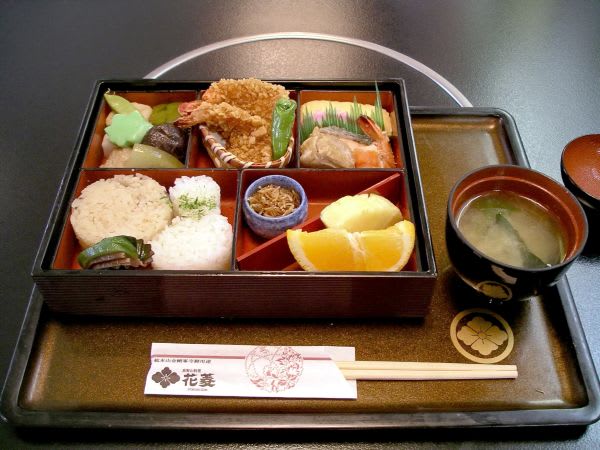
What is a Botanical Bento Box?
The beauty of the botanical bento approach is that it can be scaled up or down, from something as compact as an indoor container, artfully arranged, to outdoor raised beds or whole corners of the garden. The size of your space will help determine which varieties you choose.
You might be asking how this approach differs from the ordinary process of selecting varieties and planting them in a cohesive, intentional design. Botanical bento isn’t trying to reinvent the wheel; think of it as applying a new way of thinking about design.
Go with a neutral color palette for containers – natural wood, white, black or gray ceramic containers offer the plants top billing.
Keep plants with similar needs for sun, water, and soil type together in compartments.
Keep them company. Whenever possible, pair plants with their favorite companions.
Prioritize small-scale and slow-growing plants. (Think dwarf varieties or compact annuals.) This helps keep things tidy.
Compartments allow for the use of different soil mediums (i.e. gritty, fast-draining mixes for succulents; loose, rich, well-draining soils for leafy greens, etc.)
Use a light hand with visual accents such as stones or pebbles.
Keep things tidy by trimming errant plant stems, weeding, and re-seeding edible minis.
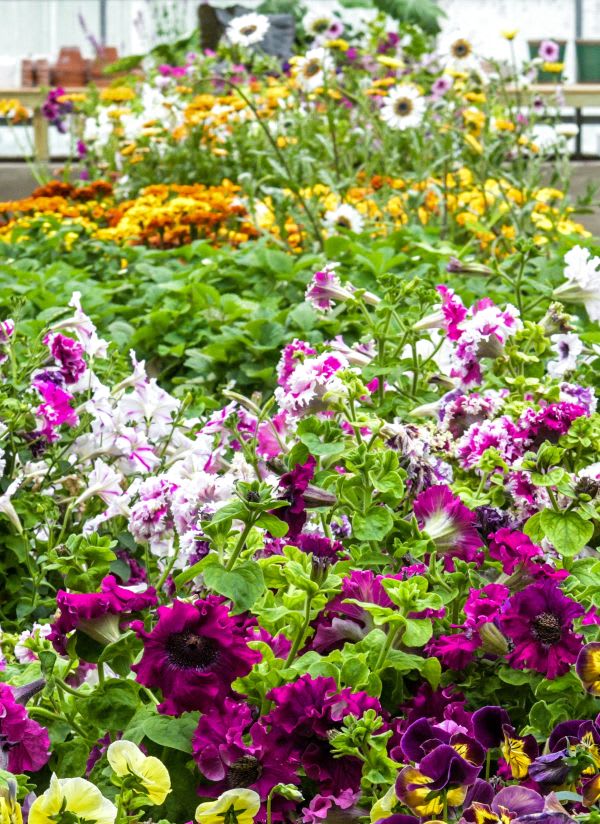
Baker Creek Favorites for Botanical Bento Box Gardening
It may help to think about organizing the compartments by theme, such as:
Edible Indoor Bento Box garden:
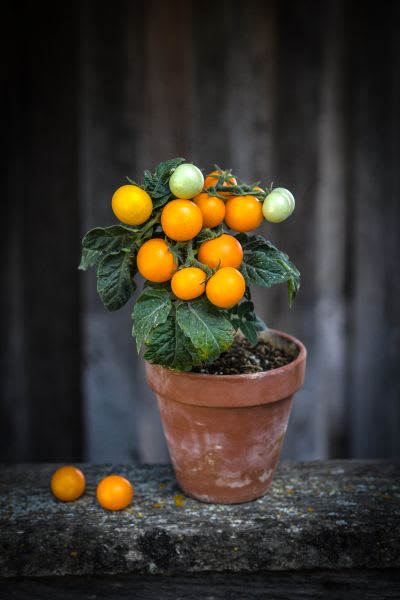
Choose varieties with a small footprint, such as Orange Hat tomato, a wildly prolific micro-tomato that grows only 6 to 9 inches tall.
Hedou Tiny bok choy is a bite-sized delight that grows to maturity in just 40 days.
Spice Boys Globe basil has all the pep and personality of big basil varieties, but at just 6 to 15 inches tall, it won’t overwhelm the rest of the neighborhood. Plus, it’s basil!
Cool-Weather Edible Color Bento:
Try pansies like Trumpets Mix or Super Beaconsfield viola. Their edible blooms brighten salads, confections, baked goods, and spring rolls.
Add colorful mizuna like Japanese Red, Pinky Pop, or Benigoromo for a bit of zip. Mizuna is thought to have originated in China, but it has been grown in Japan since antiquity. Mizuna is one of the traditional heirlooms of Kyoto, or 'kyo yosai,' a designation noting its cultural and culinary significance.
Go with vibrant salad greens like Lunix or Merlot lettuce; and consider out-of-the ordinary chard like Oriole Orange.
Tea (Tisane) Bento Garden:
The lovely little flowers of Zloty Lan chamomile make wonderful tea! With its sweet, floral flavor and aroma, chamomile is naturally calming, and it has many traditional medicinal uses.
Basil is a global culinary herb with a million uses, including teas. For herbal tea, we recommend Cinnamon basil, Lemon basil, Lime basil, or Blue Spice basil.
The essential flavor of Thai and other Asian cuisines, lemongrass also makes a phenomenal herbal tea, especially when iced in summer!
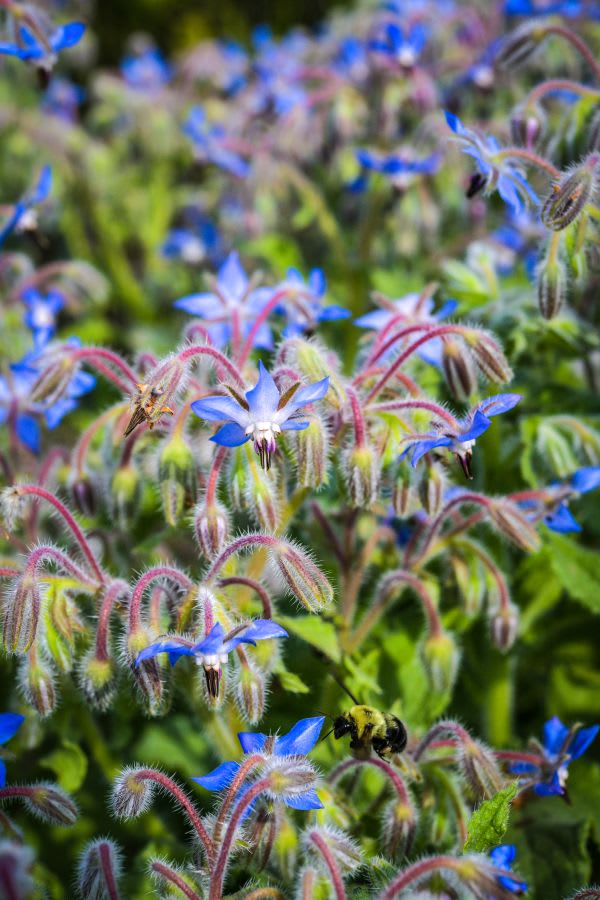
The petite starry blooms of borage impart a delicate cucumber-like flavor with a dash of sweetness.
Pollinator Bento Garden:
For larger compartments or spaces, consider planting a colorful buffet for pollinators.
Fragrant Delight Mix agastache offers a fruity mix of color for those who crave visual variety. Or choose blooms of a single color, in red, pink, orange, white or blue. Agastache was established as a species in 1762 by Jan Frederik Gronovius in the second edition of his Flora Virginica. This member of the mint family gifts a relaxing yet rejuvenating fragrance to herb and flower boxes. We can’t get enough of it!
Pollinators say “more monarda, please,” and Baker Creek offers bold, beautiful options for lovers of bee balm (Monarda citriodora), such as the vibrant purple Bergamo and the dazzling Panorama Red.
You can never go wrong with echinacea, the native North American flower with a panoply of traditional medicinal uses. (Read more about its history here. And watch our video about Echinacea paradoxa, a botanical treasure of the Ozarks.) Baker Creek offers a range of echinacea to match any vibe, from the unique green Alan’s Pride to Mellow Yellows and the eye-catching Green Twister!
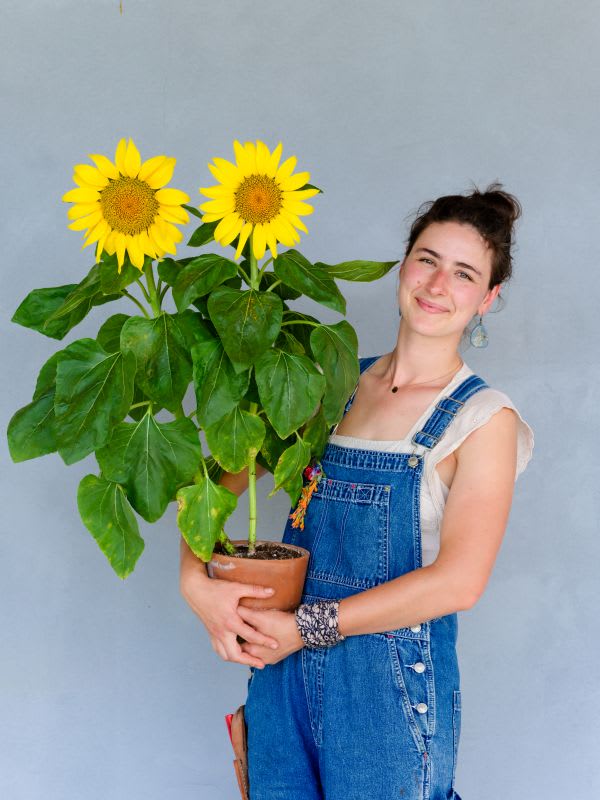
Short Stuff sunflower packs all the benefits of its taller kin into a compact plant. It is perfect for small garden spaces and the cut flower vase, and bees can’t resist it!
With its droopy violet to pink blooms on two- to three-foot stems, Nodding Sage salvia brings a nonchalant grace to any perennial space, and it will draw bees, butterflies, and hummingbirds over a long blooming season.
Or how about geographically themed botanical bento boxes?
Italian Bento garden:
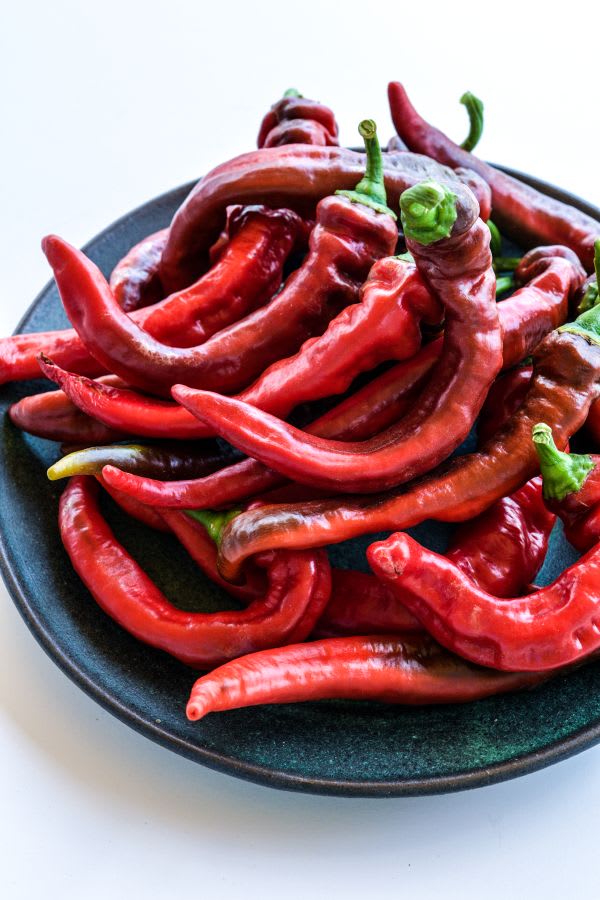
Bring classic Italian flavors and botanical flair together with a combination such as Florence fennel, Jimmy Nardello sweet pepper, Martino’s Roma tomato, Nero de Toscana kale, and Genovese basil.
Depending on space, an Indian botanical box could include Kajari melon, Pusa Gulabi radish, Vlathankara amaranth, Niranjan eggplant, and Indian Snake cucumber. (This one will need a trellis!)
For a Thai botanical bento box, consider Thai Sweet basil, Thai Red chili, Thai Lavender Frog eggplant and Thai Soldier long bean!
Key Takeaways
- Botanical bento box gardening draws on Japanese aesthetic values of order, space, and balance.
- Botanical bento box gardening can be scaled up or down depending on space and goals.
- Try to keep plants with similar growing needs (i.e. soil preference, water, and light) together in a compartment.
- Keep things tidy by weeding and trimming the margins periodically.


