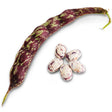
Bean Seeds,
Autumn Zebra
FREE U.S. SHIPPING, 2-YEAR GUARANTEE
Description
(Phaseolus vulgaris) Pole bean. Known as the “seaweed bean,” Autumn Zebra earns its name from a rich, umami-packed flavor that echoes the taste of kombu, the sea vegetable long treasured in Japanese cooking. Climbing vines produce colorful pods that can be picked young for tender green beans or left to mature into thin-skinned, silky dry beans that cook down smooth and full-bodied, imparting deep and complex flavor into soups, broths, and slow-simmered dishes.
Plant Details
- Botanical Name
- Phaseolus vulgaris
- Life Cycle
- Annual
- Growth Habit
- Pole
- Sun Requirement
- Full sun
- Days to Germinate
- 5–8
- Days to Maturity
- 70–90
- Planting Depth
- ½–1 in.
- Plant Spacing
- 6–10 in.
- Ideal Temperature
- 70–80°F
- Frost Hardy
- No
Growing Guide
When to Grow
How to Sow and Plant
How to Grow
How to Save Seeds
FAQ
Can Autumn Zebra beans be grown in containers?
Yes, provided you use a large container with adequate support like a trellis or poles. Ensure the soil is well-drained and keep it consistently moist.
How long does it take for Autumn Zebra beans to mature?
Autumn Zebra Beans typically mature in about 70 to 80 days for fresh beans and up to 90 days for dry beans.
What should I do if Autumn Zebra beans don't germinate?
Ensure soil temperatures are above 60 F at planting, as cooler soil both slows germination and rots the seed. Do not pre-soak bean seed; it takes up water fast enough that soaking splits the cotyledons. Sow 1/2 to 1 inch deep into warm, moist soil and keep it evenly damp.
Are these beans suitable for all climates?
They grow best in warm climates with plenty of sunshine. In cooler climates, starting seeds indoors before transplanting outdoors can improve success rates.
Browse our full range of bean seeds.