Bean Seeds,
Beurre De Rocquencourt

4.646 ReviewsSKU #BN128 · 40 seeds
Price
Regular price $3.50
Regular price $0.00 Sale price $3.50
Save $-3.50
/

FREE U.S. SHIPPING, 2-YEAR GUARANTEE


Description

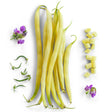
(Phaseolus vulgaris) Bush bean. This heirloom carries a mellow golden glow and a history that traces back to the 1840s, when wax beans first made their way into French gardens from Algeria. Named for Rocquencourt, a town known for its rich agricultural tradition, this variety quickly earned its place among growers and cooks alike. Compact bush plants set early crops and keep producing, offering a steady run of bright yellow pods with that classic waxy sheen and a smooth, refined flavor and texture.

Plant Details

Botanical Name
Phaseolus vulgaris
Life Cycle
Annual
Growth Habit
Bush
Sun Requirement
Full sun
Days to Germinate
7–14
Days to Maturity
55
Planting Depth
½–1 in.
Plant Spacing
4 in.
Ideal Temperature
70–80°F
Frost Hardy
No

Growing Guide

When to Grow

These beans are tender annuals and should be planted when the soil temperature is consistently above 55 F, ideally between 70 F and 80 F. In general, planting should occur after the last frost in your area. Succession plant, or sow additional seeds every 2-3 weeks, for prolonged harvest. If you’re not sure how to find your first and last frost dates, consult our blog post 'Our Experts Answer Questions, Share Resources.'

How to Sow and Plant

Preparation: Before planting, enrich the soil with 2 to 4 inches of aged compost or manure to improve fertility and drainage. Soak seeds overnight.

Planting: Sow seeds about 1/2 to 1 inch deep in the soil. Space the plants 4 inches apart. Ensure the soil temperature is at least 65°F to promote good germination and reduce the risk of seed rot.

Sunlight and Watering: Plant in a location that receives full sun. Water moderately, keeping the soil evenly moist but not waterlogged. Avoid overhead watering to prevent disease.

How to Grow

Temperature and Light: Ensure plants are grown in a warm, sunny spot with soil temperatures consistently above 65°F. Beurre de Rocquencourt beans are not frost-hardy, so protect them from any potential cold snaps.

Fertilization: Beans generally do not require high nitrogen fertilizers because they fix their own nitrogen. However, ensure they receive sufficient potassium and phosphorus. Using a balanced, organic fertilizer at planting and during flowering can support healthy growth.

Pest and Disease Management: Watch for common pests like Mexican bean beetles and thrips. Use row covers to protect young plants and maintain good garden hygiene to prevent diseases like Verticillium or Fusarium wilt.

How to Save Seeds

  • Common beans do not easily cross pollinate and can be grown close to one another, making them the ideal seed-saving project for beginners.
  • Save seeds from the best-looking, best-tasting, and most vigorous beans.
  • Leave pods on the plant to dry. Pull the plants and shake them vigorously into a bag to release the beans from the pods (same as you would for using them as dried beans).
  • Store in a cool, dry place for the winter (a glass jar in the refrigerator works well!).

FAQ

Can Beurre de Rocquencourt beans be grown in containers?

Yes. As a compact bush bean needing only about 4 inches between plants and no staking, Beurre de Rocquencourt grows well in a wide container at least 8 to 10 inches deep with good drainage and full sun.

How often should I water Beurre de Rocquencourt beans?

Water the plants moderately, ensuring the soil stays evenly moist. Increase watering during flowering and pod development stages, but avoid overhead watering to reduce the risk of fungal diseases.

What type of soil pH is best for growing Beurre de Rocquencourt beans?

These beans prefer slightly acidic soil with a pH range of 6.0–6.8.

Browse our full range of bean seeds.
Customer reviews

4.6 / 5 46 Reviews

What gardeners are saying

  • Nonstop producer: Heavy pickings for weeks; many can, freeze or pickle the extras.

  • Buttery, sweet flavor: Better than green beans to many; fresh, canned or pickled.

  • Easy to pick: Bright yellow pods stand out against the green foliage.

  • Fast, reliable start: Near-total germination and quick to flower and set pods.

  • Growing tips: Plants can sprawl or flop as they load up; a short cage helps.