Bean Seeds,
Hidatsa Red

4.39 ReviewsSKU #BN146 · 40 seeds
Price
Regular price $3.50
Regular price $0.00 Sale price $3.50
Save $-3.50
/

FREE U.S. SHIPPING, 2-YEAR GUARANTEE


Description

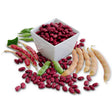
(Phaseolus vulgaris) Bush bean (half-runner). Passed down from the Hidatsa people of the upper Missouri River Valley, this prairie-grown heirloom was introduced commercially in 1915 by Oscar H. Will & Company as part of their Pioneer Indian Collection. The Will catalog praised it as a heavy yielder, hardy, drought resistant, and an excellent baking bean—and that still holds true today. The compact half-runner plants climb only about three feet, but they produce oodles of pods with plump, rose-colored beans, even under punishing conditions.

Plant Details

Botanical Name
Phaseolus vulgaris
Life Cycle
Annual
Growth Habit
Half-runner
Sun Requirement
Full sun
Days to Germinate
5–8
Days to Maturity
85
Planting Depth
½–1 in.
Plant Spacing
4–6 in.
Ideal Temperature
60–85°F
Frost Hardy
No

Growing Guide

When to Grow

Plant Hidatsa Red Indian beans in the spring after the last frost when the soil temperature reaches at least 60 F. These beans need a longer warm period to produce dry beans, making them ideal for summer planting​. If you’re not sure how to find your first and last frost dates, consult our blog post 'Our Experts Answer Questions, Share Resources.'

How to Sow and Plant

Soak seeds overnight. Sow the seeds directly into the ground at a depth of 1/2 to 1 inch, spacing them 4 to 6 inches apart. Ensure rows are spaced about 40 inches apart to allow for adequate air circulation. These beans are semi-vining and can benefit from support structures to reach their full potential​. If you’re not sure how to find your first and last frost dates, consult our blog post 'Our Experts Answer Questions, Share Resources.'

How to Grow

Moderate watering is essential, keeping the soil consistently moist but not waterlogged. Avoid overhead watering to prevent disease. These beans fix their own nitrogen, so they do not require much additional nitrogen fertilizer. However, they benefit from moderate amounts of potassium and phosphorus​. Harvest frequently to keep plants productive.

How to Save Seeds

  • Common beans do not easily cross pollinate and can be grown close to one another, making them the ideal seed-saving project for beginners.
  • Save seeds from the best-looking, best-tasting, and most vigorous beans.
  • Leave pods on the plant to dry. Pull the plants and shake them vigorously into a bag to release the beans from the pods (same as you would for using them as dried beans).
  • Store in a cool, dry place for the winter (a glass jar in the refrigerator works well!).

FAQ

How long do Hidatsa Red Indian beans take to mature?

They typically mature in about 85 days, depending on whether they are grown for dry beans or used fresh.

How tall do Hidatsa Red Indian beans grow?

These beans can grow up to 3 feet tall and may require support to prevent sprawling.

When should I harvest Hidatsa Red Indian beans?

Harvest the beans when the pods are fully mature and dry on the vine for use as dry beans. For fresh use, pick them when the pods are still tender.

Browse our full range of bean seeds.
Customer reviews

4.3 / 5 9 Reviews

What gardeners are saying

  • Early to mature: Dries down ahead of the other dry beans in the same garden.

  • Heavy producer: Sets pods fast and heavy; one packet gave back a pound of dry beans.

  • Tough in poor soil: Produced in sandy, unamended ground through drought and neglect.

  • Creamy, nutty shellers: Creamy, nutty and sweet as a dry or shell bean.

  • Give them a trellis: Vines run anywhere from 3 to 9 feet; keep the pods off the ground.