Soybean Seeds,
Tankuro

4.914 ReviewsSKU #SY103 · 30 seeds
Price
Regular price $4.50
Regular price $0.00 Sale price $4.50
Save $-4.50
/

FREE U.S. SHIPPING, 2-YEAR GUARANTEE


Description

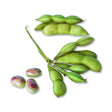
(Glycine max) Plump, glossy pods fill with rich, sweet, buttery beans that deliver that melt-in-your-mouth edamame experience gardeners dream about. After years of trialing and tasting, this Japanese variety rose to the top as a true favorite—vigorous, dependable, and absolutely loaded with flavor. Harvest young for tender edamame that shines with just a sprinkle of salt, or let the beans mature to a deep black for homemade soy milk, tofu, and other traditional foods. A beautiful, productive plant that bridges garden and kitchen, bringing a groovy taste of Japan and wholesome, homegrown protein to your table.

Plant Details

Botanical Name
Glycine max
Life Cycle
Annual
Growth Habit
Bush
Sun Requirement
Full sun
Days to Germinate
5–18
Days to Maturity
80
Planting Depth
1 in.
Plant Spacing
6 in.
Ideal Temperature
65–90°F
Frost Hardy
No

Growing Guide

When to Grow

Plant Tankuro soybeans in late spring after the last frost when soil temperatures reach at least 60 F. The ideal temperature for growing is 65-90 F. In regions with shorter growing seasons, start seeds indoors no more than 2-3 weeks before the last frost in deep cells or soil blocks to limit root disturbance, and transplant once the soil is at least 60 F. Avoid planting too late in the season to ensure proper growth and yield. If you're not sure how to find your first and last frost dates, consult our blog post 'Our Experts Answer Questions, Share Resources.'

How to Sow and Plant

Directly sow Tankuro soybean seeds 1 inch deep and 4-6 inches apart in rows 2 feet apart. Ensure the soil is moist but not waterlogged to prevent seed rot. Thin the seedlings to about 6 inches apart once they are 4 inches tall to promote healthy growth. Sprouts form in 5-18 days.

How to Grow

Tankuro soybeans grow between 1 to 3 feet tall and do not require staking. They should be watered regularly, providing about 1 inch of water per week, increasing to 1.5 inches during flowering and 1.75 inches as pods form. These soybeans are nitrogen-fixers, so additional nitrogen fertilization is not necessary. Apply compost mid-summer to supply additional nutrients​.

How to Save Seeds

  • This annual self-pollinating crop will not readily cross with other soybean varieties. However, a distance of 10-20 feet between different soybean varieties will really ensure purity.
  • Allow pods to brown and dry on the plant.
  • If frost or wet weather is expected, pull plants and hang indoors in a warm, dry location until seeds are fully dry.
  • Test with your fingernail; seeds that can't be dented are mature enough to store.
  • Store in a cool, dark, dry location.

FAQ

What is the best time to harvest Tankuro soybeans?

Harvest Tankuro soybeans when the pods are bright green, plump, and 2-3 inches long for edamame. For dried beans, wait until the pods turn brown and the leaves yellow, then pull up the entire plant to dry.

Can I grow Tankuro soybeans in containers?

Yes, Tankuro soybeans can be grown in containers at least 12 inches deep, which provides adequate space for root development. Ensure consistent moisture and sunlight for optimal growth.

Are Tankuro soybeans frost-hardy?

No, Tankuro soybeans are not frost-hardy. Plant them well after the last frost and avoid exposing them to temperatures below freezing.

Browse our full range of soybean seeds.
Customer reviews

4.9 / 5 14 Reviews

What gardeners are saying

  • Excellent flavor: Delicious fresh off the plant; beats store-bought and restaurant.

  • Easy to grow: Near-total germination and very little care needed.

  • Loaded with pods: Plants are heavy with pods; the extras freeze well.

  • Shrugs off heat: Kept producing through hot, humid summers.

  • Heads up: Japanese beetles go for them; netting the bed helps.